

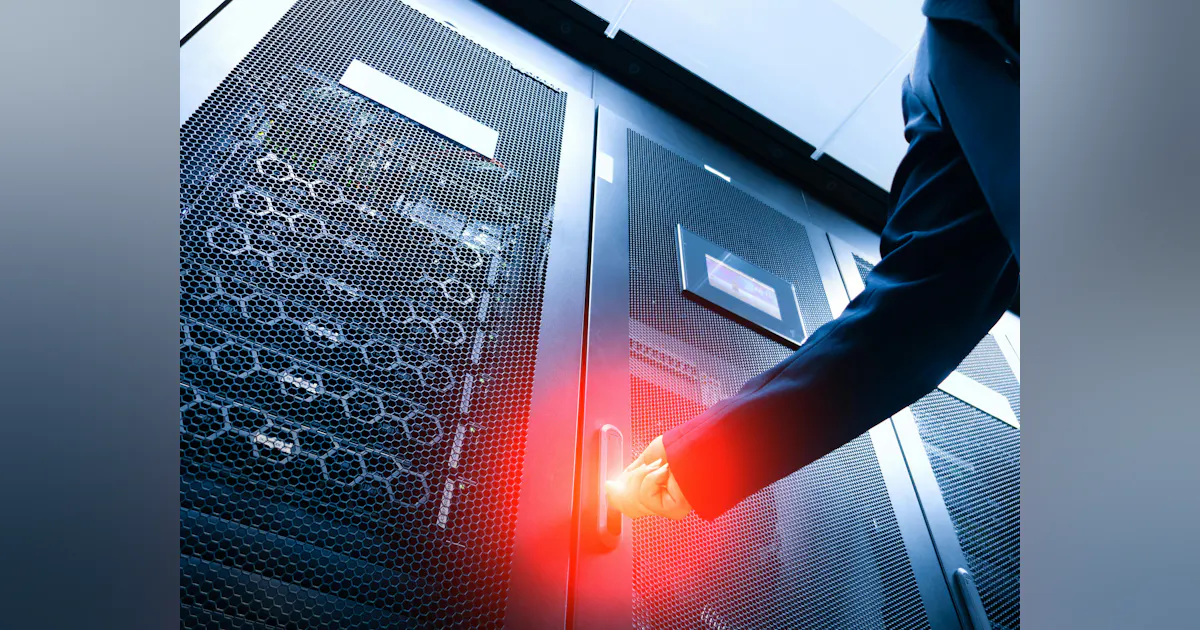
Biometrics are more difficult to replicate or appropriate than conventional approaches such as keys or passwords. It also obviates the need to memorize passwords or possess physical credentials, hence facilitating access for authorized individuals. Biometrics enables the monitoring of an audit trail for access attempts, ensuring accountability. Biometric solutions may be easily expanded to support an increasing user base and can interface with current security infrastructures.
Prevalent forms of biometrics used in data center security encompass:
- Fingerprint recognition: Economical and extensively used for its user-friendliness.
- Facial recognition: Provides contactless access, enhances hygiene and user experience.
Iris identification is very secure owing to the distinct patterns in the iris, providing robust protection against spoofing. - Vein recognition: Assesses the configuration of subcutaneous veins for identification purposes.
- Voice recognition: Employs vocal patterns for authentication, especially advantageous for remote access or hands-free functionality.
- Behavioral biometrics: Examine user behavioral patterns such as typing cadence, locomotion, or mouse movements for ongoing authentication.
Incorporating all these physical security elements should be a priority. With any security, it is advisable to perform regular evaluations and assessments of the physical security systems and protocols to detect weaknesses and maintain ongoing efficacy.
Cybersecurity Trends in Data Center Security
Data center security encompasses the integration of physical and cybersecurity measures. A significant trend is emerging towards the integration of physical and cybersecurity systems for a cohesive defense, facilitating expedited incident response and enhanced visibility across domains. Data centers encounter unique digital ecosystem hazards necessitating specific risk management strategies.
The most pressing cyber-related issue is problems in cloud security. The introduction of cloud technology presents security challenges, including data breaches, unsecured APIs, cloud misconfigurations, and the management of hybrid and multi-cloud settings.
With the advent of cloud technology, edge computing and IoT security have emerged as crucial security concerns. The expansion of IoT and edge devices increases the attack surface, necessitating strong security techniques such as network segmentation, real-time monitoring, and secure communication protocols. Zero Trust architectures, Security by Design, and stringent IAM procedures are essential for safeguarding cloud, edge, and IoT settings.
Data centers are deemed critical infrastructure for the banking, healthcare, and transportation sectors; therefore, state-sponsored hackers and organized cybercriminal gangs are using sophisticated methods for prolonged infiltrations and data exfiltration. These are designated as Advanced Persistent Threats (APTs). The SolarWinds hack some years ago, which compromised both commercial and governmental networks, exemplified these types of risks.
A significant concern in the current era of digital transformation is that adversaries are utilizing AI and machine learning for diverse objectives, such as automating attacks, devising intricate phishing campaigns employing deepfakes, creating self-evolving malware that circumvents conventional defenses, and establishing advanced botnets for DDoS assaults. Data Center IT networks require monitoring and reinforcement to counteract these increasingly complex cyber-attacks.
With the advent of AI-enabled tools and deep fakes, ransomware assaults are becoming more sophisticated, including strategies such as double extortion, when attackers encrypt data and threaten to disclose it if the ransom is not remitted. When quantum computing comes online shortly, data centers will require quantum-resistant encryption algorithms. They will face new challenges from adversaries using fused quantum and artificial intelligence tools to victimize targets.
Also, AI threat actors have consistently targeted vendor supply chains. There should be an enhanced emphasis on safeguarding the supply chain. Given that data centers depend significantly on suppliers for hardware and software, security evaluations and stringent policies are essential to alleviate supply chain risks.
Last but not least, insider threats pose a substantial risk in both physical and cybersecurity realms, as hostile or irresponsible workers may compromise critical data or generate vulnerabilities. Enhanced monitoring, detailed access restrictions, and personnel training are essential for risk reduction.
Fundamental components of data center cybersecurity should include:
- Implementation of firewalls to obstruct illegal network traffic and the use of IDS/IPS to identify and mitigate intrusions.
- Encryption of sensitive data both at rest and in transit to protect it from illegal access and maintain confidentiality.
- Implement stringent vendor policies and evaluate vendor adherence to security standards to reduce risks linked to third-party access.
- Segmentation of the data center network to restrict the dissemination of breaches and improve access control. Implement secure settings and conduct regular patch management.
- It is essential to maintain robust security setups for all devices, including routers, switches, and servers, and to implement security patches swiftly and upgrades to mitigate vulnerabilities.
- Require multi-factor authentication (MFA) for all users accessing the data center network and critical systems, therefore enhancing security against hacked credentials.
- Perform regular vulnerability and penetration assessments to detect weaknesses and evaluate the efficacy of security defenses against intrusion attempts.
- Consistently archive essential data, guarantee geographical diversification of backups for disaster recovery, and formulate comprehensive recovery protocols.
A proactive data center risk management includes identifying and evaluating vulnerabilities, applying suitable controls (NIST framework: protect, detect, respond, recover), and formulating resilience plans to adapt to evolving threat environments.
Compliance and regulatory issues are vital to the operations of a safe data center. It is recommended that regular internal and external audits be conducted to ensure compliance with standards and regulations. Compliance with Best Practices and Standards via the implementation of recognized frameworks such as ISO 27001, with the integration of best practices in cyber hygiene (e.g., robust passwords, phishing awareness), network access configuration, and endpoint security.
Data Center Security operations teams need to comply with relevant standards, including ISO 27001, SOC 2, PCI DSS, HIPAA, and GDPR, as applicable to your sector and jurisdiction. Stringent worldwide data protection standards such as GDPR and CCPA need heightened inspection of data centers’ management and safeguarding of sensitive information. Ensuring adherence to regulations across several countries and platforms is an increasing concern.
link